Constantine
-
Entry #14 in project #EuropeanBios is going to be a bit disappointing. The best available audiobook is not really a biography but a history that focuses on Constantine. Histories are good and important but very short on the kind of fun facts which are the main reason I read history.
-
This is especially a problem because Constantine was one of the few solid books I found in the middle of a 500-year drought of good biographies. After going into tedious detail on every Roman emperor from 150BC to 200AD, suddenly there's almost nobody until Charlemagne in 750AD.
-
One of the things I've concluded from reading LOTS of history is that while the details of what happened are important to understand why things shook out that way, the list of things that happened in one person's lifetime that matter in the long term are usually very few.
-
For instance, in Constantine's case, despite being tremendously important to history – very few Roman rulers were as consequential – those consequences boil down to: he converted the empire to Christianity, and he moved the capital to Constantinople (accidentally).
-
How those two things happened is complicated, why they happened is even more complicated. But without the human details of Constantine's activities and relationships and motivations those explanations are not, at least to me, very compelling.
-
I am distressingly short on human details about Constantine. He was born into privilege with the name Flavius Valerius Constantinus, and stayed privileged all his life. He had little contact with his important military father, Constantius.
-
Constantine's mother Helen was of non-privileged background, and it's not clear if she was his father's wife or a concubine. In either case, dad Constantius divorced her in favor of a politically more advantageous partner, something very common in Roman society, leaving her vulnerable.
-
Regardless of this rejection, Constantine was very attached to his mother, who seems like a very impressive woman about whom little has been recorded by sexist Roman historians. Constantine made her an empress and when she died, he renamed her city of birth Helenopolis.
-
Constantine rose to power in a series of intrigues and coups and battles and promotions that held my attention not even a little. Once he was emperor, he took the Greek city of Byzantium, renamed it Constantinople after himself, and made it an important city.
-
Because Constantinople had been Byzantium, the empire ruled from Constantinople was the "Byzantine" empire, which as a novice to all this was news to me. He didn't make it the official capital of the empire, but it became the de facto one and the official one later.
-
Constantine also got involved in Christianity, which had been growing in popularity and power for 300 years at this point. He made it a lot easier to be Christian in the Roman empire, and got involved in some unbelievably tedious theological debates which interested him greatly.
-
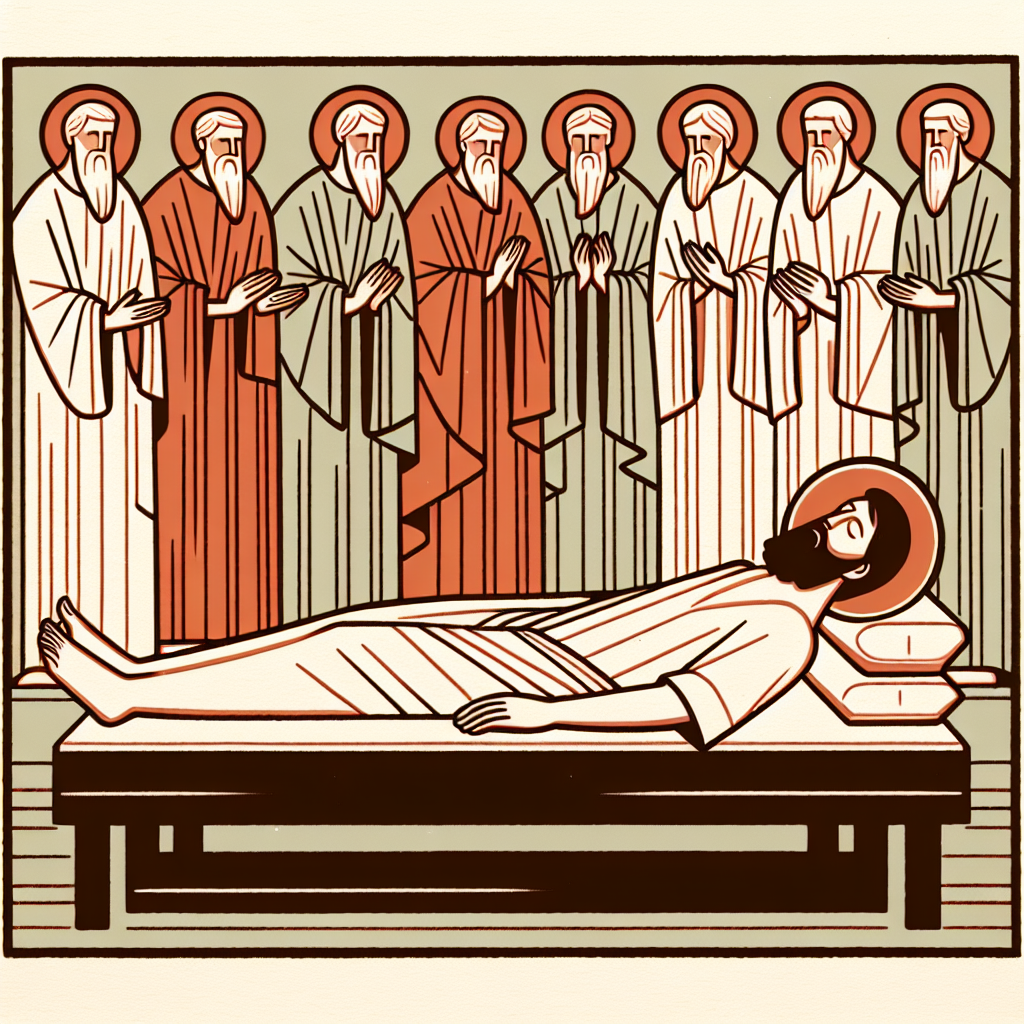
Stories circulated for centuries after his death give various dramatic accounts of Constantine's conversion as being a single revelatory event, but what really happened is he converted on his deathbed after a lifetime of being a pagan with a strong interest in Christianity.
-
Constantine had 6 kids, who in traditionally imaginative Roman fashion he named: Constantine 2, Constantius 2, Constans, Constantina, Helena and... Crispus. The odd-one-out Crispus he had first with a concubine named Minervina, and the other five later with his wife Fausta.
-
This led at last to some drama, which is that Crispus and his step-mother Fausta apparently had a sexual relationship (this is less gross than it sounds, they were adults and she was possibly as little as 5 years older than he was).
-
The circumstances of the relationship are unclear, as is whether it even happened, since it was common to spread vicious rumors after defeating a political opponent for other reasons. But what we do know is that Constantine executed both of them, roughly around the same time.
-
Constantine died of old age, around 65. The Roman empire he left behind would crumble and fracture into a Western half ruled by Rome and an Eastern half ruled from Constantinople, both calling themselves Roman. This profoundly shaped European history for the next thousand years.
-
Unlike some of my other subjects in this series, Constantine was not a notably skilled general but instead a competent, empathetic, engaged administrator who successfully ran a gigantic empire for decades. It's very impressive, it's just not very funny.
-
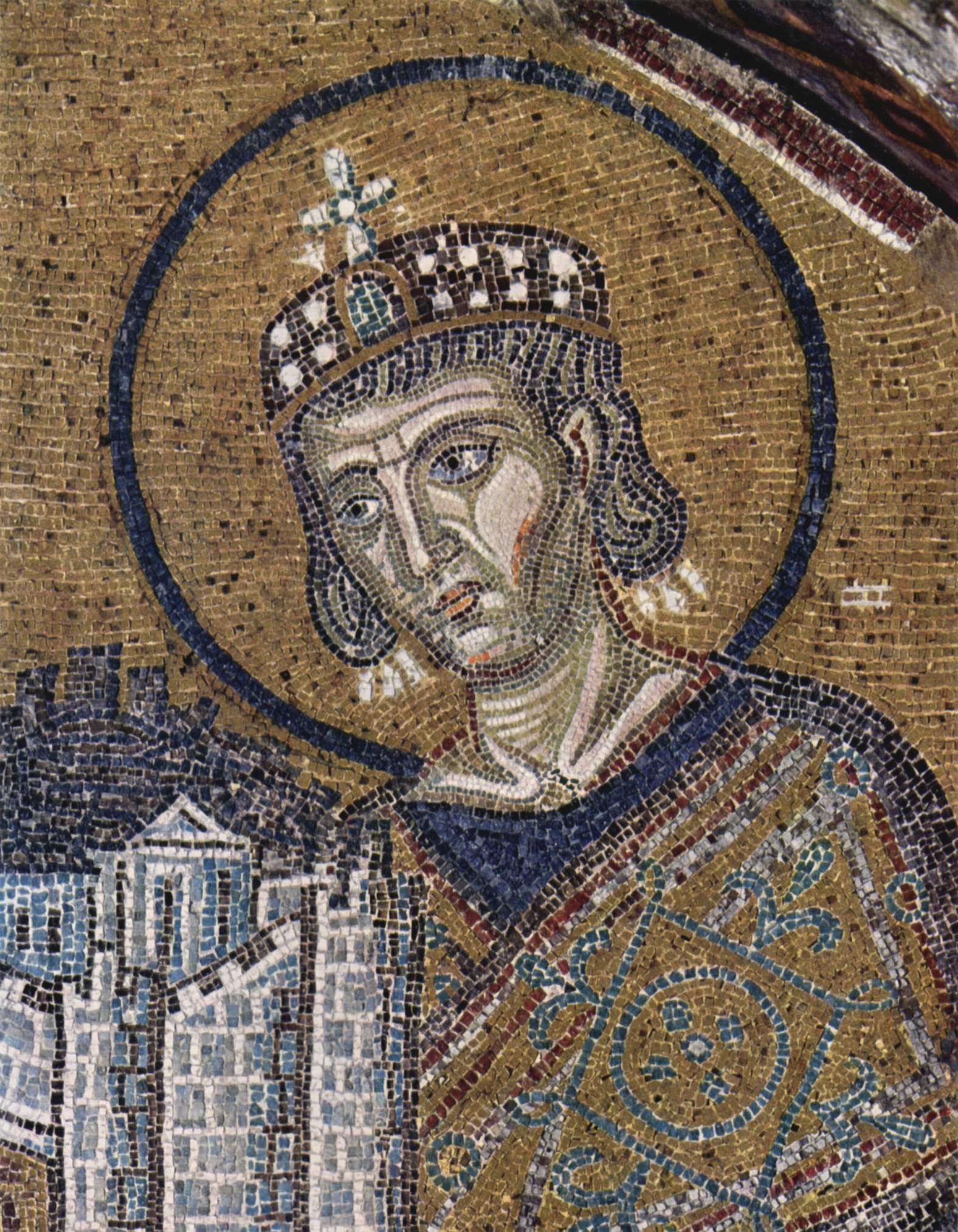
A mosaic of Constantine Public domain
- Previously: Marcus Aurelius
- Next: Theodosius the Great
- Full list
Text and images copyright © 2020-2023 Laurie Voss
except where indicated
except where indicated